
Wrap a tape measure around your head about an inch above your eyebrows and ears, at the widest point of your skull, then match that number to a hat size chart to find your exact size across US, UK, EU, and letter sizing. If your number falls between two listed sizes, round up for a structured cap and pick the middle for a stretchy one.
TL;DR:
- Use a snug but not tight measurement taken at the end of the day to ensure accurate sizing, especially for structured hats or those with stiff materials.
- For fitted caps, round up if measurements fall between sizes, as there is no built-in ease, while stretch-knit styles like beanies can accommodate more variation.
- Structured materials, such as felt or buckram, require precise measurement and sizing up when between sizes, whereas knit and leather relax or stretch with wear, affecting fit over time.
- Kids' head measurements can change rapidly, so re-measure before every purchase and consider head shape differences, such as oval versus round, when choosing styles.
- Checking brand-specific size notes and reviews can prevent errors, especially for unique styles like cowboy hats or specialty millinery, which may have different fitting requirements.
Table of Contents
- How to Measure Your Head for a Hat
- Hat Size Chart: Inches, Centimeters, US, UK, and Letter Sizes
- Which Sizing System to Use for Each Hat Style
- When to Size Up, Size Down, or Stay Put
- Five Sizing Mistakes That Ruin Hat Fit
- Measuring Kids and Uncommon Head Shapes
- How Material Affects the Size You Should Buy
- Why Fit Is the Foundation of Everything Valid Makes
- Find Your Fit at Valid
- Sources
How to Measure Your Head for a Hat
You need a soft tape measure or a piece of string and a ruler, plus a mirror or a second pair of hands if you're using string.
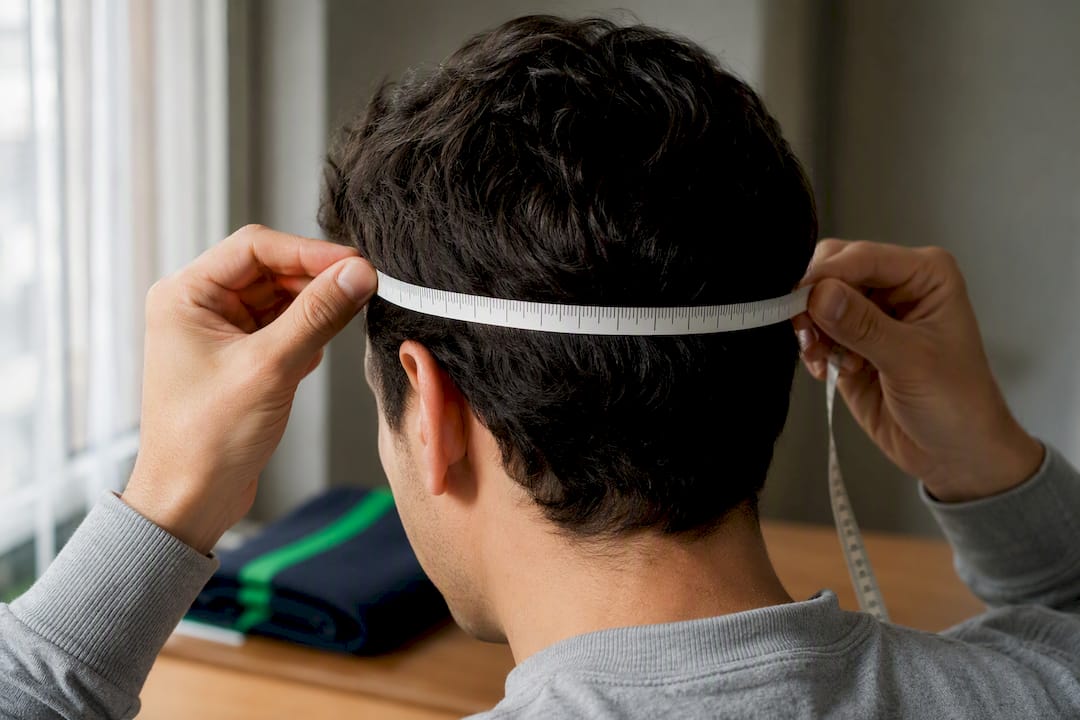
- Place the tape about 1 inch above your eyebrows, running just above the tops of your ears.
- Wrap it around the widest part of the back of your skull, the point where a hat naturally sits.
- Keep the tape snug against your head without pressing into your scalp. Read the number to the nearest 1/8 inch or 2 millimeters.
- Measure twice. If the two readings differ, average them, then convert between inches and centimeters to double check the math (Sizeguide).
Hair changes the number more than people expect. Measure with the hairstyle you actually plan to wear under the hat. A high bun or thick braid can add real bulk to your circumference, so if that's your everyday look, measure with your hair styled that way rather than pulling it flat first (TheHatChick).
Once you have a number, slide one finger between your forehead and the tape. If it fits with light pressure, that's your sizing benchmark. A sweatband should sit at that same line, not riding up on your forehead or slipping down over your eyebrows.
Pro Tip: Measure at the end of the day, not right after waking up. Head size shifts slightly with fluid retention overnight, and an evening measurement tends to reflect how a hat will actually sit during normal wear.
Hat Size Chart: Inches, Centimeters, US, UK, and Letter Sizes
Every hat brand seems to speak its own language. A "size 7" cap, a "medium" beanie, and a "58 cm" fedora can all fit the exact same head, which is exactly why a single conversion chart matters more than memorizing one system.
US fitted sizes come from a simple formula: head circumference divided by pi (roughly 3.14). That's why sizes increment in odd-looking eighths instead of clean whole numbers. A 22 inch head lands close to US size 7; add roughly 3/8 inch and you move up one full eighth size (OnlineSizeCharts).
Adult men tend to have head circumferences around the sizes corresponding to US 7 1/8 to 7 1/4, while adult women tend to be closer to US 6 7/8 to 7 (OnlineSizeCharts). If your measurement lands in the 22 to 23.5 inch range (56 to 60 cm), you're in the most common adult bracket, and most retailers stock that middle range the deepest, which is worth knowing if you're debating a rare size up or down.
Which Sizing System to Use for Each Hat Style
Not every hat style plays by the same rulebook, and using the wrong column on the chart is a common way to end up disappointed.
- Fitted caps: Use the US fitted column with zero room for error. There's no ease built in, so round up if you fall between two sizes rather than squeezing into the smaller one.
- Snapbacks and adjustable caps: Check the one size fits most range, typically 21.5 to 23.5 inches (53 to 60 cm) (MFGMerch). If your head measures outside that window, an adjustable strap won't save you.
- Beanies: Go by letter size and factor in stretch. A "medium" beanie labeled for 22 to 22.75 inches will usually flex an extra half inch in either direction thanks to the knit.
- Fedoras and panamas: Lean on the EU/cm column or the fitted equivalent, and size up if you're between two, since structured brims don't forgive tightness.
- Cowboy hats: Use fitted fractional sizing, but also consider crown shape. An oval crown and a round crown in the same number fit differently front to back, so shape sometimes matters more than the size itself.
Pro Tip: If a product page lists only "S/M/L" with no inch range, look for the brand's size chart link before buying. A "medium" from one company can be a "small" from another.
When to Size Up, Size Down, or Stay Put
Sizing decisions get simple once you know the material behind the label.
- Default to sizing up for any structured hat, cap, or fedora with a rigid brim or buckram base.
- For stretchy knit hats like beanies, pick the size closest to the midpoint of your measurement rather than rounding either direction.
- If a fitted hat feels just slightly loose, a foam or linen hat size reducer can tighten the fit without altering the shape. Stretched fabric, on the other hand, rarely shrinks back down.
- Buying a brand for the first time? Check its sizing notes and reviews for warnings like "runs small" before you order, since calibration varies noticeably between manufacturers (TailorSizeGuide).
- For once-in-a-lifetime pieces like bridal millinery, a professional milliner fitting beats guessing from a chart every time (TailorSizeGuide).
Five Sizing Mistakes That Ruin Hat Fit
Most bad fits trace back to one of these avoidable errors:
- Measuring too low or too loose. Re-measure right at the hat line, about an inch above your eyebrows, not around your forehead's widest point.
- Skipping your usual hairstyle. A measurement taken with hair pulled back won't match how the hat sits once your ponytail or braid is in.
- Assuming brand fractions match exactly. A size 7 at one company isn't guaranteed to match a size 7 elsewhere; check that brand's own notes.
- Buying OSFM outside its real range. If your head measures under 21.5 or over 23.5 inches, an adjustable strap likely won't close the gap.
- Ignoring hat construction. A stiff, structured crown needs different sizing logic than a soft, unstructured one, even at the same listed size.
A half inch of measuring error, about 1.3 centimeters, is enough to shift a fitted hat one full size step, which is exactly why the steps above are worth doing twice (MFGMerch).
Measuring Kids and Uncommon Head Shapes
Children's heads grow fast, and their circumference can shift half an inch or more in just a few months, so measure right before you buy rather than trusting a size from last season. Kids also tend to fidget during measuring, so loop the tape loosely first to get them comfortable, then tighten it to the correct snugness on a second pass. A parent holding a mirror in front of a child often gets a steadier, more accurate reading than trying to measure from behind.
Head shape varies more than most sizing charts admit. Oval heads, longer front to back than side to side, often feel tight at the temples in a hat sized purely by circumference, even when the number is technically correct. Round heads generally do better with standard fitted sizing since the shape matches what most hat forms are built around. If you consistently find hats pinch at the sides or gap at the back despite measuring correctly, the issue is shape, not size. In that case, look for brands that specify oval versus round crown options, or lean toward adjustable and stretch-knit styles that forgive shape differences that a rigid fitted cap won't.
Unusually large or small heads, outside the roughly 21 to 24 inch range most charts cover, may need specialty or made-to-order sizing. Don't force a fit by buying the largest stock size and stuffing the sweatband. It changes how the crown sits and can throw off the whole silhouette of the hat.
How Material Affects the Size You Should Buy
A wool felt fedora and a cotton snapback don't behave the same way on your head, even at an identical listed size. Structured materials like buckram, felt, and stiffened cotton twill hold their shape and offer almost no give, which is why fitted hats in these materials need precise measuring and a round-up policy when you're between sizes.
Knit materials behave completely differently. A wool or acrylic beanie can stretch a half inch or more beyond its resting measurement, which is exactly why letter sizes work fine for that category while a fitted number wouldn't. Denim and heavier cotton twill caps sit somewhere in the middle: they have slightly more flexibility than a stiff dress hat but nowhere near the stretch of a knit.
Leather and waxed canvas hats deserve their own note. Both materials loosen gradually with wear as the material relaxes around your head shape, so a snug initial fit is actually the goal rather than a warning sign. Buying loose because you assume leather will stay rigid usually backfires; the hat ends up too big within a few weeks of regular wear.
For adjustable snapbacks and strapback caps, material matters less for sizing since the closure does the compensating. But the panel material still affects how the crown drapes, so a mesh-back trucker cap and a solid cotton snapback in the same OSFM range can still look and sit differently once adjusted.
Why Fit Is the Foundation of Everything Valid Makes
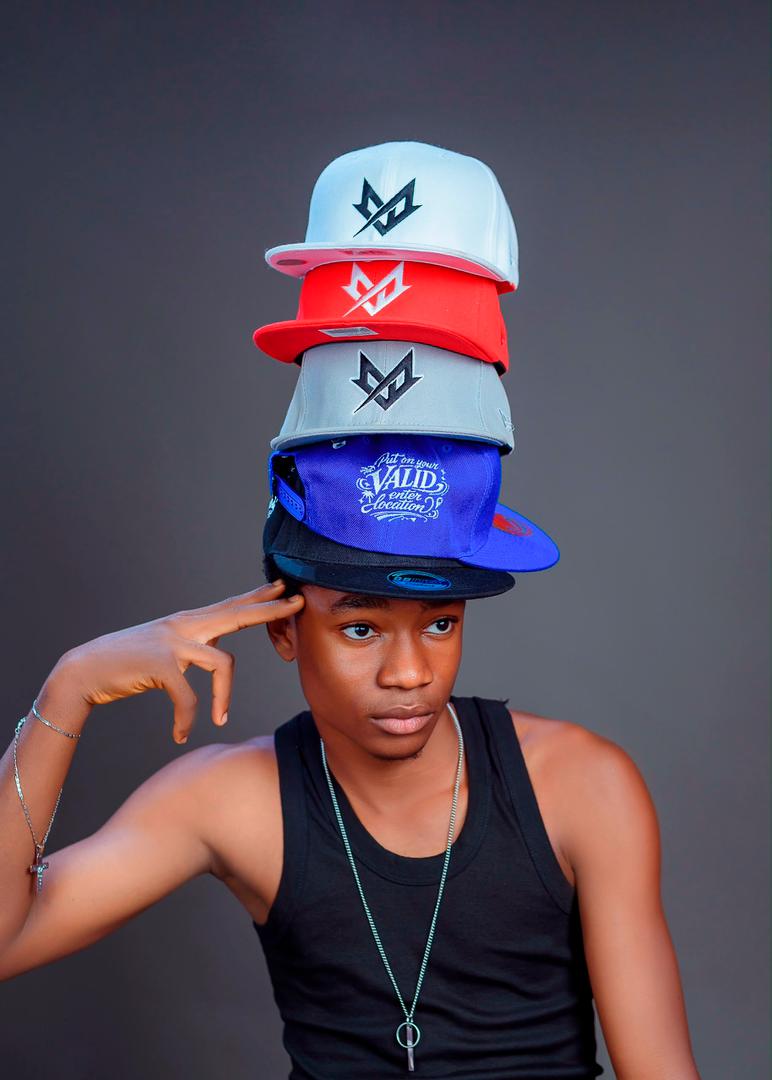
Valid was built on the idea that confidence starts with how something fits, not just how it looks on a hanger. A cap that pinches your temples or slides down your forehead undercuts the entire point of wearing it as a statement of who you are. That's why accurate sizing isn't an afterthought in how Valid designs caps. It's part of the same philosophy behind the brand itself: self-certification only works if the product actually fits the person wearing it.
Fit notes live directly on Valid's product pages, inside the label details and size range listings, so you're not guessing based on a generic size chart alone. Measuring correctly before you order remains the fastest way to get it right the first time.
— VALID
Find Your Fit at Valid
Before you check out, take thirty seconds to re-measure using the method above. Valid lists fit notes and size ranges directly on each cap's product page, so you can match your measurement to the right size instead of guessing between two options.
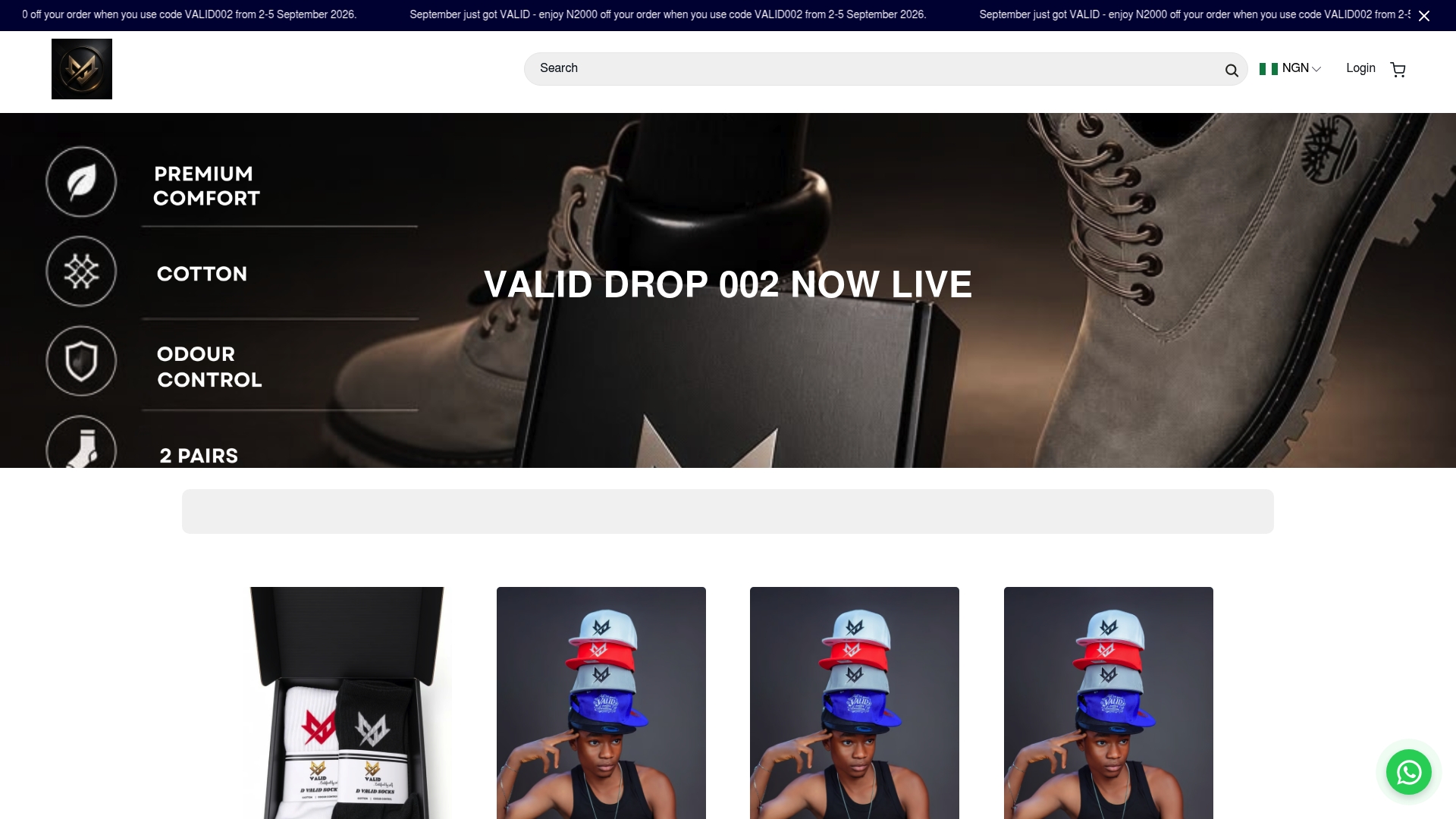
If a size still feels off once it arrives, the return and exchange policy means trying a different size doesn't have to be a hassle or a wasted order. That's especially useful if you're ordering a style you haven't worn before, since even accurate measurements can feel slightly different across crown shapes and materials. Head to the Valid shop to browse caps by size range and find the one that actually sits right, not just looks right in a product photo.